
And other reasons to love the stuff ancient Romans called “liquid gold”
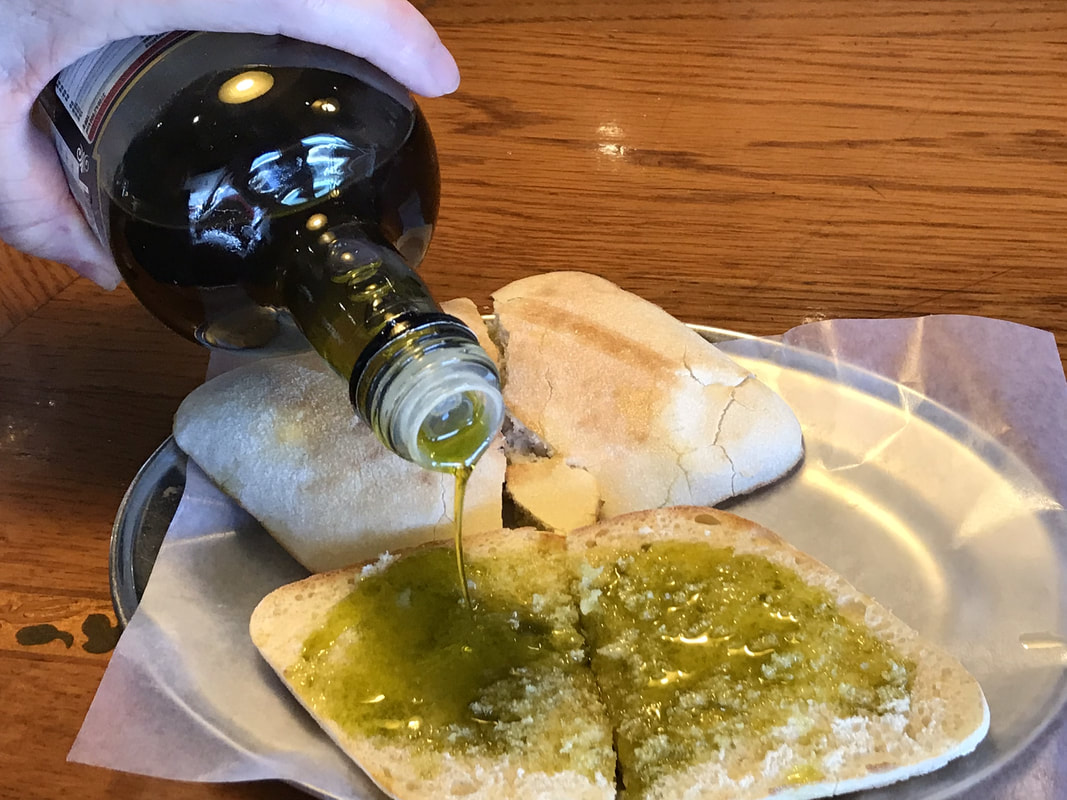
Before I moved to Seville, I regarded all fat as the enemy. When I used olive oil at all, I tended to pour a scant half teaspoon on my salad or into a non-stick pan to sauté my homegrown vegetables. So I was mesmerized — horrified, even — the first time I watched a Spanish friend order toast in a café, then pick up the olive oil bottle sitting on the counter and proceed to drizzle and drizzle and drizzle and drizzle… When the crisp, hot baguette was thoroughly saturated, he took a big bite and beamed in satisfaction.
Now I do the same. Because it eventually dawned on me that my friend, all those medical studies, and 150 generations of Mediterranean grandmothers were right:
olive oil is good for you
. As if that wasn’t enough, just this week I was gobsmacked to stumble across scientific evidence that
consuming high amounts of olive oil does not make you fat
. In fact, it can actually
help with weight loss
! This was as thrilling as my earlier discoveries of medical research demonstrating that
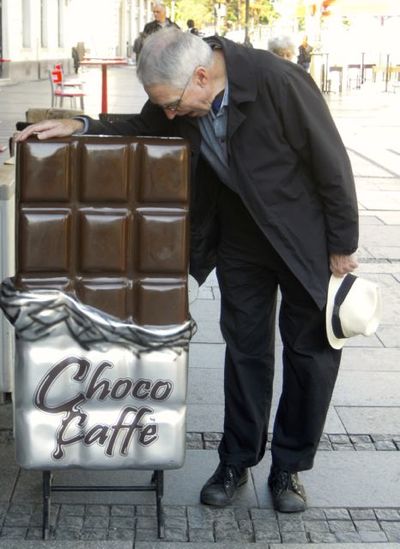
chocolate makes you smarter
and
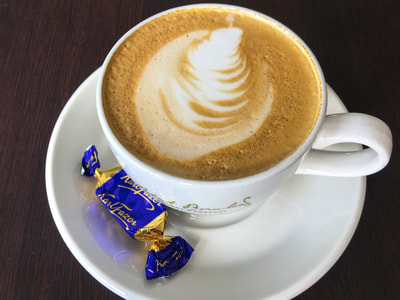
coffee can help you live longer
. Obviously it’s true, to paraphrase
Ben Franklin’s comment on wine
, that God loves us and wants us to be happy. Amen to that!
Of course, not all olive oil is created equal. To enjoy its full health benefits, you’ll want to make sure the kind you’re consuming qualifies as extra-virgin: unfiltered, with low acidity, and mechanically pressed rather than extracted using heat or chemical additives. “The best olive oils are made using a simple hydraulic press or centrifuge —
they are more like fresh-squeezed fruit juices than like industrial fats
,” wrote Tom Mueller, author
of
Extra Virginity
. “The olives are harvested at the moment of the
invaiatura
, when they begin to turn from green to black; ideally they are picked by hand and milled within hours, to minimize oxidation and enzymatic reactions, which leave unpleasant tastes and odors in the oil. There are approximately seven hundred olive varieties, or cultivars, whose distinctive tastes and aromas are evident in oils that are made properly, just as different grape varietals are expressed in fine wines.”
Like wineries, many olive oil shops and growers are now appealing to foodies and members of “
generation yum
” by arranging tastings. In Seville, these range from an impromptu stop at a gourmet
tienda
such as
La Oleoteca
or a day-long
field trip to an olive orchard
under the auspices of a professional guide. Last week Rich and I had the incredible good fortune to be invited to visit a Spanish olive oil company with our friend Steve, an exporter who wanted our help in choosing which varieties he’ll be sending to the USA this year. As you can imagine, we leapt at the chance.
This wasn’t our first rodeo. Two years earlier, Steve had invited us to join him on an exploratory tour the facility,
Almazara 1945
, and last year, when he was ready to make his purchase, Rich and I helped with the tasting. Our main qualifications are 1) we consume plenty of olive oil, 2) we like road trips, and 3) by sheer coincidence we happen to share the same last name as Steve, so we consider one another family. The fourth member of the 2018 tasting team was a Spanish ornithologist named Fran. Earlier this year Steve had pitched in to help Fran capture and band birds for a research project, and now Fran was returning the favor by lending his taste buds to the day’s endeavor. Luckily, Steve actually knows what he’s doing in choosing the oils; to be honest, I suspect he brings the rest of us along mainly for company on the drive out to the countryside.
Arriving at the sleekly modern, fully computerized factory, we were welcomed by a young man named Victor, who told us this year we’d be using an official, industry-standard scoring sheet to rate the oils. Skimming down the list, I saw the categories started out logically enough, with qualities such as fruitiness, sweetness, and astringency, but soon veered off into such unexpected byways as banana skin, artichoke, fresh-cut lawn, ripe apple, and something called tomato raff, which I never did figure out. As Victor passed around cups of oil, we took sips and gamely attempted to discern any hint of tree trunk or mature banana. If anyone said, “Taste any tomato raff?” I always solemnly shook my head and we moved on.
All the oils were delicious, and by the end of the morning it was easy to agree on which we liked best. The
Arbequina
was fruity, nutty, sweet, and mild, and although Victor pointed out that the smaller fruit size and larger pit make this olive a bit more expensive to cultivate, we knew it would be a hit with American buyers, who tend to like smoother flavors. The hands-down favorite was the
Hojiblanca
, which was more robust and complex, with a gorgeous long finish. We spent the last half hour tweaking a proprietary blend, but that’s all I’m saying about that, as I’m sworn to secrecy.
I rose from the table, wiping the last of the oil from my lips, feeling replete and mellow. In a world where we are warned away from so many foods we once held dear, it’s tremendously comforting to know that something we love to eat is as beneficial as it is satisfying. So next time you’re in a Spanish café or your own kitchen, go ahead and slather on the extra-virgin olive oil with a clear conscience. Your body and your soul will thank you.
Unlike some of my more practical and better-organized blogger friends, I don’t accept sponsorships of any kind or do product placement or promotion. Everything I talk about on this blog is here to help you plan your own adventures. However, I know I’ll have people writing in to ask about Steve’s olive oil, so
here’s where you can buy it on Amazon
. Enjoy!
YOU MIGHT ALSO ENJOY
HOW CHOCOLATE MAKES YOU SMARTER
HOW COFFEE HELPS YOU LIVE LONGER
HOW LIVING ABROAD ADDS ZEST TO LIFE
Updates & Free Stuff

Leave a Reply